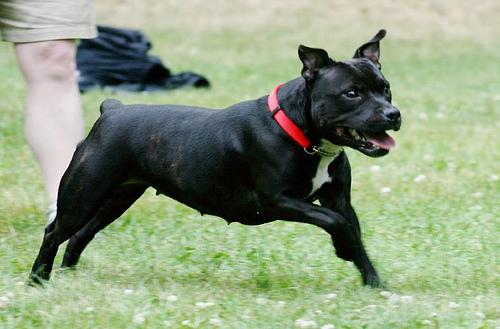
Outdoor Safety
Time outdoors is one of the healthiest things you can offer a dog or cat, but it comes with real hazards: traffic, extreme weather, toxic plants, wildlife, and unfamiliar terrain. The foundation of outdoor safety is control — a secure leash and harness for dogs, and a harness or enclosed catio for cats — paired with up-to-date identification. A collar tag with a current phone number and a registered microchip dramatically improve the odds of a fast reunion if your pet slips away.
Before heading out, scan the area for hazards such as broken glass, sharp branches, standing water, or unfenced roads. Keep an eye out for other animals, and always carry basic first-aid supplies (gauze, saline, tweezers) on longer outings.
Walking Tips
A good walk is about more than exercise — it is mental stimulation. Let your dog sniff and explore at a natural pace rather than rushing from point A to B. Use a well-fitted harness to reduce strain on the neck, rotate walking routes to keep things interesting, and always carry waste bags to keep shared spaces clean.
For cats being leash-trained, introduce the harness indoors first, let them get comfortable wearing it around the house, and keep initial outdoor sessions short and calm.
Camping
Camping with a pet takes extra preparation. Pack enough food, fresh water, and any medications for the full trip plus a buffer. A familiar blanket or bed helps pets settle into an unfamiliar tent. Check campsite rules in advance — many require leashes at all times — and do a nightly tick check, especially in wooded or grassy areas.
Travel
Whether it's a short drive or a long road trip, secure your pet with a crash-tested carrier or harness restraint rather than letting them roam the vehicle freely. Plan rest stops every two to three hours for bathroom breaks and water, and never leave a pet alone in a parked car — temperatures inside a car can climb dangerously fast even on mild days.
Exercise
Daily physical activity supports healthy weight, joint mobility, and behavior. Needs vary widely: a Border Collie may need much more vigorous activity than a Bulldog, and senior pets often do better with shorter, more frequent outings. Watch your pet's body language — heavy panting, lagging behind, or reluctance to continue are all signs it's time to slow down or head home.
Summer Safety
Heat is one of the most serious outdoor risks. Walk during cooler morning or evening hours, always carry water, and test pavement with the back of your hand — if it's too hot for you, it's too hot for paws. Watch for signs of overheating: excessive panting, drooling, glassy eyes, or wobbliness, and move to shade and cool water immediately if you notice them.
Winter Safety
Cold weather brings its own hazards, from ice-melt chemicals that irritate paws to hypothenia risk for short-coated breeds. Consider protective booties or paw balm, wipe paws after walks to remove salt and chemicals, and shorten outdoor time in extreme cold, especially for small, young, senior, or short-haired pets.
Outdoor Activities
Beyond walks, dogs often enjoy fetch, swimming (when supervised), scent-based games, and structured hikes. Cats can benefit from supervised harness walks, a secured catio, or simply a screened porch where they can watch birds and feel fresh air. Rotating activities keeps outdoor time engaging for both body and mind.